What We Do

Services

Every job below starts with the same base prep, whether it's a small repair or a full driveway.

HomeServices

Everything we take on

Every job below is one we do ourselves across Jersey City.

Concrete Driveways

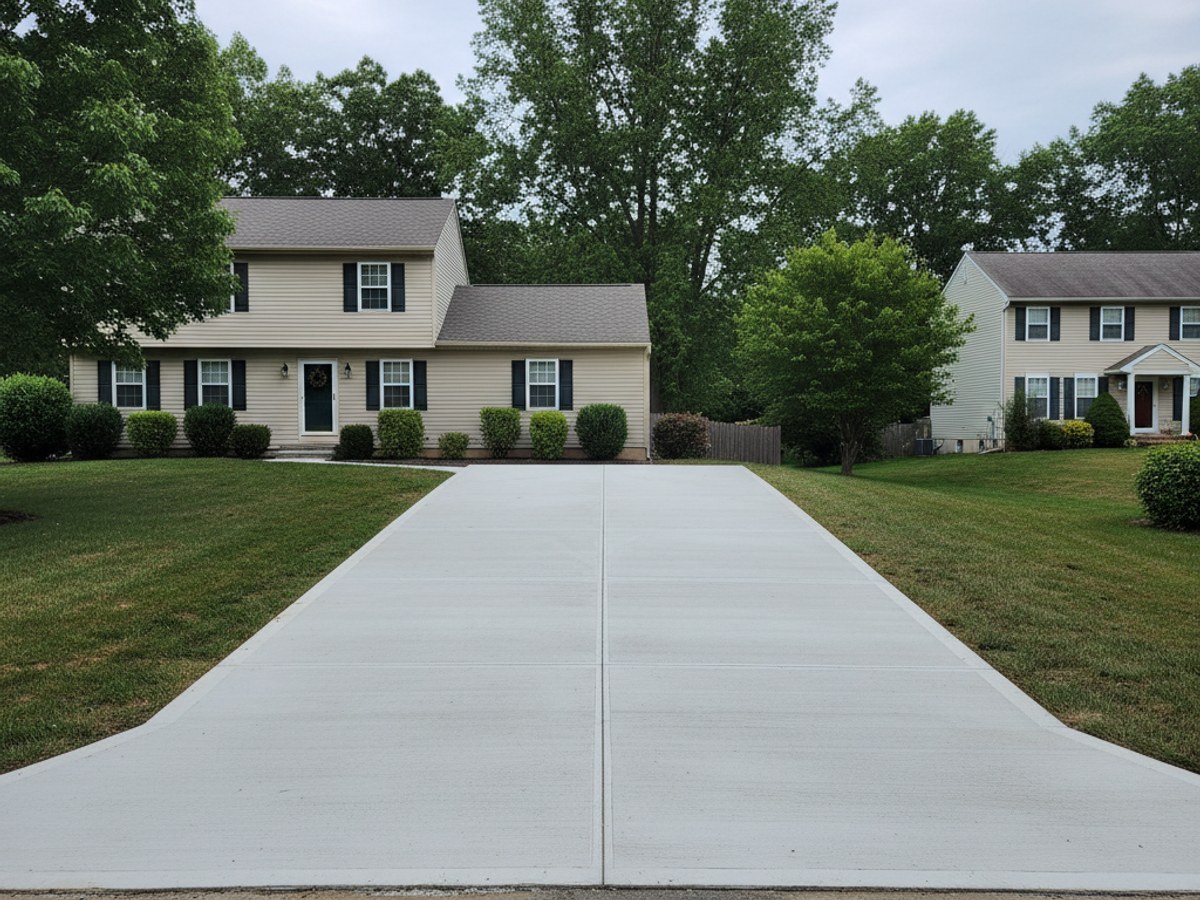
We pour driveways with a compacted gravel base and air-entrained concrete rated for freeze-thaw, because a driveway that can't handle winter salt and plow blades doesn't last. We reinforce with rebar or wire mesh depending on soil and slab thickness. Plan on staying off it for about a week before you park a car on it.

Concrete Patios

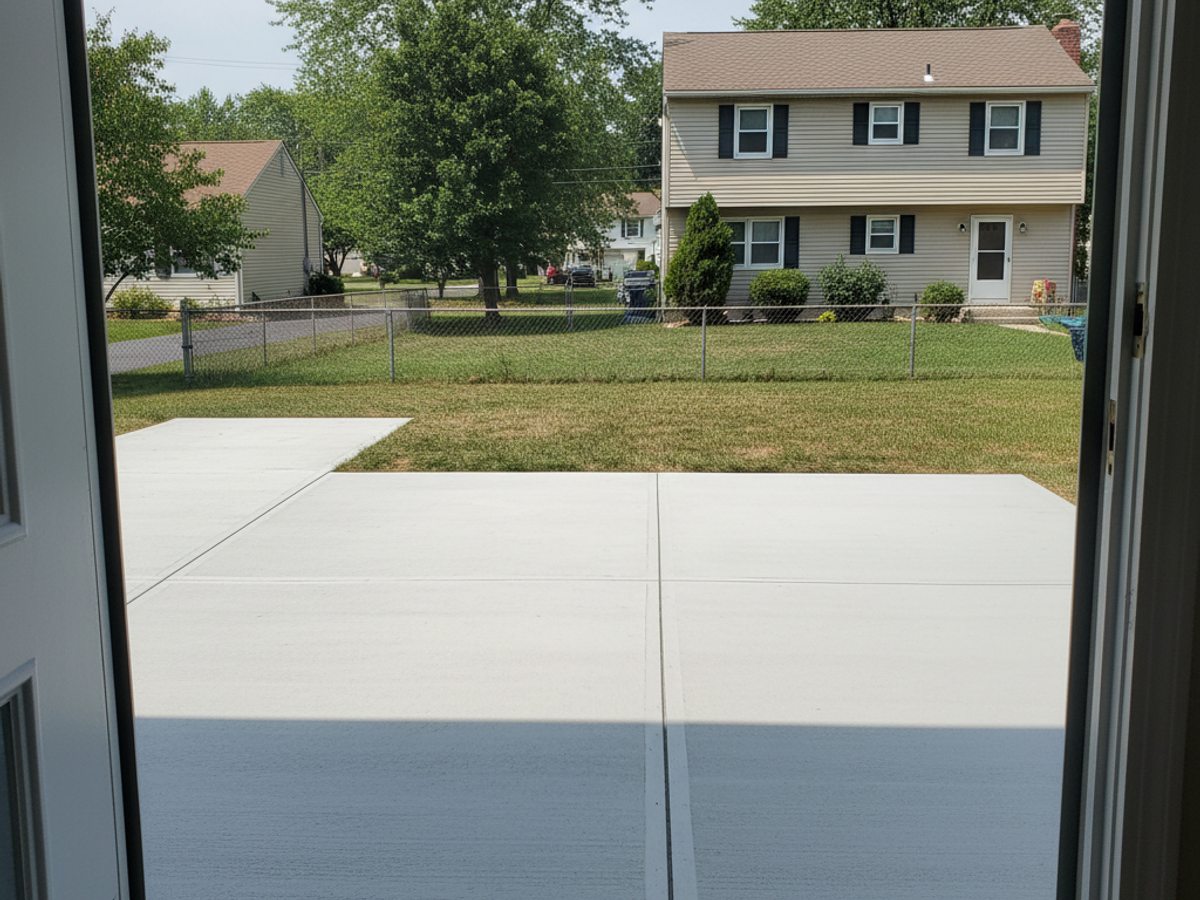
Patios get the same base prep as a driveway, just usually a broom or exposed aggregate finish instead of a smooth one. We pitch the slab away from the house so water doesn't pool against your foundation. Stamped and colored finishes are an option if you want something other than plain gray.

Stamped Concrete

Stamped concrete gets you the look of brick, slate or cobblestone without individual pavers that shift and grow weeds between them. We color and stamp it while the mix is still plastic, which means the timing has to be right or the pattern doesn't take. It needs to be sealed every couple of years to keep the color from fading.

Concrete Repair

Not every cracked or sunken slab needs to come out. Small cracks get routed and filled, and a sunken section can often be raised with mudjacking or polyurethane foam instead of a full replacement. If the slab's base has washed out completely, though, we'll tell you honestly that a repair won't hold and a replacement is the better money.

Concrete Sidewalks

Sidewalk work in Jersey City usually means matching the township's width and slope requirements, since a lot of towns will cite you for a walkway that doesn't meet code. We form and pour to spec and finish it with a broom texture for grip in the rain and snow.

Concrete Steps & Stoops

Steps take a beating from foot traffic and de-icing salt, so we build them with the right rise and run and reinforce the nose of each tread where it tends to chip first. We match the finish to your existing walkway or patio so it doesn't look bolted on.

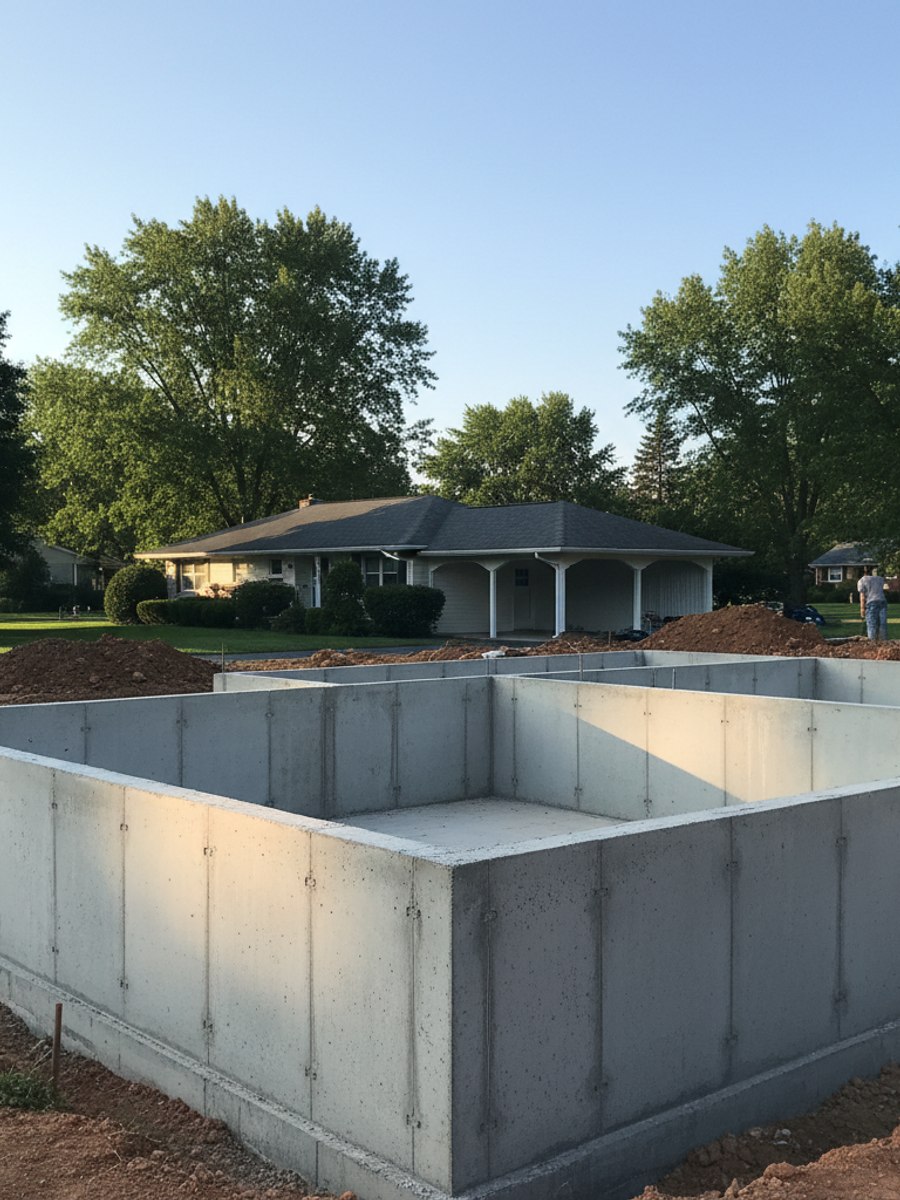
Concrete Slab Foundations

We pour slab foundations for additions, garages and sheds, starting with footings dug to frost depth so the slab doesn't heave in January. Vapor barrier goes down before the concrete, not after somebody notices moisture coming through the floor.

Concrete Resurfacing

If your existing slab is sound underneath but the surface is pitted, spalling or just ugly, we can resurface it with a bonded overlay instead of demolishing it. It's a fraction of the cost of tear-out and repour, though it won't fix a slab that's cracked all the way through.

Concrete Retaining Walls

Retaining walls hold back soil on sloped lots, which are common enough around here that drainage behind the wall matters as much as the wall itself. We install weep holes and gravel backfill so water doesn't build up and push the wall out over time.

Exposed Aggregate Concrete

Exposed aggregate finish washes away the top layer of cement paste to reveal the stone underneath, giving you a textured, slip-resistant surface that works well for pool decks and patios. It costs a bit more than a broom finish but holds up just as long.

How It Works

Four steps, and no surprises in any of them.

01

We come and look

You tell us what you want doing, we look at what is actually there, and we ask the awkward questions early.

02

You get a price

In writing, itemised, free. If something might add cost later we flag it now rather than at the end.

03

We do the work

Same crew throughout. We cover your floors, keep the dust down and tidy up before we leave each day.

04

We walk it with you

You point out anything you are not happy with and we fix it before the invoice, not after.

Where We Work

All of this, across Jersey City, NJ

Concrete work is scheduled across Jersey City and the surrounding towns.

Jersey City, NJ
Newark, NJ
Paterson, NJ
Elizabeth, NJ
Edison, NJ
Clifton, NJ
Bayonne, NJ
Passaic, NJ
Union City, NJ
Hoboken, NJ
New Brunswick, NJ
Common Questions

Things worth asking

Questions that come up once a project's underway.

Do I need a permit for a new driveway or patio?
Most townships in New Jersey require a permit for new concrete driveways, patios over a certain size, and any work that changes drainage or sits near a property line. Sidewalk replacement often needs a separate permit tied to the municipality's right-of-way rules.
How long does a typical concrete driveway take to pour and cure?
Forming, base prep and pouring a standard driveway usually takes one to two days depending on size. The surface is walkable in about 24 to 48 hours, but it should stay free of vehicle traffic for five to seven days while it gains strength.
Can concrete work be done on a tight budget?
Sticking to a standard broom finish instead of stamped or colored concrete is the easiest way to bring the cost of a project down. Pouring in phases, or resurfacing an existing slab instead of a full tear-out, are other ways to control cost.
Do you guarantee your concrete work?
Workmanship on concrete flatwork is typically guaranteed against cracking or settling caused by installation error for a set period after the pour. Cracking caused by soil movement outside of normal settling isn't usually covered, since concrete does crack over time even when it's poured correctly.
Who will I be dealing with during the project?
One point of contact handles the estimate, schedule and any questions during the job, rather than passing the homeowner between different people. That same person is reachable if something comes up once the crew is on site.
What type of concrete mix do you use?
Air-entrained concrete rated for freeze-thaw conditions, typically 4,000 PSI, is standard for driveways and any slab exposed to winter weather. Interior slabs or decorative work may use a different mix depending on the finish.
Can I stay in my house during concrete work?
Concrete work is done outside the home, so living there during the project isn't a problem for driveways, patios or sidewalks. The main disruption is noise from equipment and limited access to a driveway while it cures.
How should I prepare the site before the crew arrives?
Cars should be moved off the driveway or work area, and anything stored near the pour site, like potted plants or lawn furniture, should be cleared. Sprinkler lines or buried cables in the work area should be pointed out ahead of time.
What happens if you find a problem once digging starts?
Unexpected issues like old buried concrete, poor soil or a broken drain line sometimes show up once excavation starts. When that happens, the homeowner is told what was found and given options and pricing before any extra work proceeds.
How do I take care of new concrete once it's poured?
New concrete should be kept free of de-icing salt for at least the first winter, since salt accelerates surface scaling on young concrete. Sealing every two to three years helps resist stains, salt damage and freeze-thaw cracking long term.

Not sure what you need?

Describe the problem and we will tell you what it probably is. No obligation.
Call (551) 365-6546